 By
By 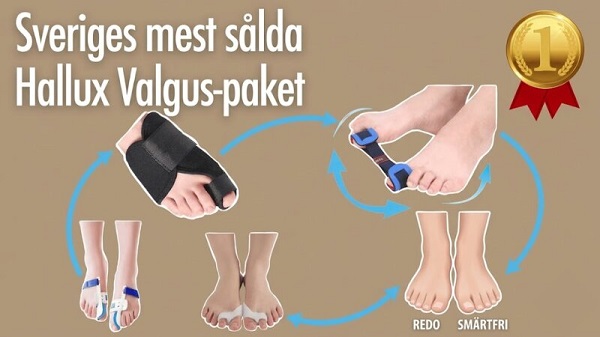
Our feet are the foundation of our bodies, bearing our weight and enabling us to move through the world. Yet, foot health is often neglected until a problem arises. One of the most common, and sometimes most painful, foot conditions worldwide is Hallux Valgus, more commonly known as a bunion.
If you have started noticing a bony bump forming at the base of your big toe, or if you are experiencing pain when wearing your favorite pair of shoes, you might be developing this condition. But what exactly is Hallux Valgus? Why does it happen, and more importantly, how can you find relief?
In this comprehensive guide, we will dive deep into everything you need to know about Hallux Valgus. From understanding its root causes and early symptoms to exploring the wide array of non-surgical orthopedic aids—such as toe separators, night splints, and specialized insoles—we will cover all the steps you can take to reclaim your comfort and mobility.
What is Hallux Valgus? Understanding the Anatomy
To understand how to treat the condition, we first must understand the mechanics of the foot. The term “Hallux” refers to the big toe, and “Valgus” is an anatomical term indicating that a part of the body is pointing outward, away from the midline of the body.
Hallux Valgus is a progressive foot deformity that occurs at the first metatarsophalangeal (MTP) joint—the critical joint that connects your big toe to the rest of your foot. In a healthy foot, the big toe points straight ahead. However, in a foot suffering from Hallux Valgus, the big toe begins to angle inward toward the second toe.
As the big toe shifts inward, the bone at the base of the toe (the first metatarsal) is pushed outward. This structural misalignment creates a prominent, often inflamed bony bump on the inner edge of the foot. Because the MTP joint carries a significant portion of your body weight with every step you take, this misalignment can lead to severe pain, reduced mobility, and difficulty finding shoes that fit properly.
Causes and Risk Factors: Why Do We Get Hallux Valgus?
A common misconception is that bunions are solely caused by wearing the wrong type of shoes. While footwear plays a massive role, the reality is much more complex. Hallux Valgus is typically the result of a combination of genetic predispositions and environmental factors.
1. Genetics and Hereditary Foot Structure
The primary underlying cause of Hallux Valgus is genetics. You do not inherit the bunion itself; rather, you inherit a specific foot shape and mechanical structure that makes you highly susceptible to developing one. If your parents or grandparents had Hallux Valgus, your chances of developing it are significantly higher. Structural anomalies like flat feet (pes planus), low arches, or overly flexible ligaments can create instability in the foot, eventually leading to the shifting of the MTP joint.
2. Ill-Fitting Footwear
While genetics set the stage, modern footwear is often the catalyst. Shoes with narrow, pointed toe boxes force the toes into an unnatural, cramped position. When this is combined with high heels, the problem is compounded. High heels force the body’s weight forward, placing immense pressure directly on the MTP joint while the toes are squeezed together. Over time, this repetitive stress forces the joint out of alignment.
3. Biomechanical Issues and Foot Stress
Conditions that affect how you walk can contribute to bunion formation. Overpronation—where the foot rolls inward too much while walking—places uneven weight distribution on the inner edge of the foot and the big toe joint. People who spend long hours standing for work, or those who place repetitive stress on their feet (such as ballet dancers or long-distance runners), are also at an elevated risk.
4. Age and Gender
Hallux Valgus is significantly more prevalent in women than in men. This disparity is partly due to the widespread use of high-heeled and narrow fashion footwear. Additionally, the condition is progressive, meaning it becomes more common and more severe as we age and our ligaments naturally lose some of their elasticity and strength.
5. Underlying Medical Conditions
Certain systemic conditions can increase the likelihood of developing foot deformities. Rheumatoid arthritis, a chronic inflammatory disorder, can damage the cartilage within the joints of the foot, leading to severe joint instability and the rapid development of Hallux Valgus. Neuromuscular conditions like polio or cerebral palsy can also play a role.
Signs and Symptoms: How to Spot Hallux Valgus Early
Hallux Valgus does not happen overnight. It is a gradual deformity, and catching it early is the key to managing it effectively without surgical intervention. Symptoms can range from mildly annoying to completely debilitating.
Key signs to look out for include:
- A Visible Bump: The most obvious sign is a protruding, hard lump on the inside base of the big toe.
- Toe Drifting: The big toe noticeably leans toward, or even overlaps, the second toe.
- Pain and Tenderness: A persistent, aching pain at the joint, which usually worsens when wearing tight shoes or after long periods of standing or walking.
- Redness and Inflammation: The skin over the bunion may appear swollen, red, and feel warm to the touch due to constant friction against footwear.
- Calluses and Corns: Because the toes are rubbing against each other and the sides of the shoes, thick, painful calluses often develop on the bump, between the first and second toes, or on the sole of the foot.
- Restricted Movement: As the deformity progresses, the joint can become stiff, limiting the range of motion in the big toe and altering your natural gait.
Conservative Treatments: Relief Without Surgery
When diagnosed with Hallux Valgus, many people immediately fear they will need surgery. Fortunately, for mild to moderate cases, surgery is entirely avoidable. The primary goal of conservative treatment is to relieve pain, reduce pressure on the joint, and halt the progression of the deformity.
Specialized orthopedic stores, such as Ortopedbutiken, offer a vast array of high-quality, non-invasive aids designed to manage this specific condition. Let’s explore the most effective conservative treatment strategies.
1. Orthopedic Aids and Protective Devices
Using the right footcare accessories can make a world of difference in your daily comfort.
- Toe Separators and Spacers (Tåspridare): These are typically made from soft, medical-grade silicone gel. Placed between the big toe and the second toe, they help to gently realign the toe to its natural position, reducing the strain on the MTP joint. They also prevent the toes from rubbing together, which instantly eliminates the friction that causes painful corns and blisters. Some advanced models come as a 5-toe separator or include built-in bunion shields.
- Night Splints (Nattskena): A night splint is a rigid or semi-rigid device worn while you sleep. It physically holds the big toe in a straight, corrected position, providing a gentle, prolonged stretch to the tight tendons and ligaments surrounding the joint. While it won’t permanently “cure” the bone deformity, it is incredibly effective at reducing morning stiffness and slowing the progression of the angle.
- Bunion Protectors and Gel Pads (Skydd för Hallux Valgus): These act as a physical buffer between the bony bump and your shoe. By adding a layer of soft silicone cushioning, they absorb shock and eliminate the direct friction that causes redness and skin breakdown.
- Bunion Correctors with Rotating Support: More advanced daytime correctors feature a hinged or rotating joint. This allows you to walk normally while the device applies a dynamic, corrective tension to the big toe, offering both mobility and therapeutic support.
2. Upgrading Your Footwear
No orthopedic aid will work if you continue to force your feet into improper shoes. Transitioning to orthopedic or “bunion-friendly” footwear is non-negotiable. Look for shoes with a wide toe box that allows your toes to splay naturally without touching the sides. The upper material should be soft and flexible (like soft leather, mesh, or canvas) to accommodate the bump without pressure. For wearing around the house, ultra-soft, shock-absorbing footwear like “Cloud Slippers” (Molntofflor) provide a wide, forgiving base that takes the pressure off the forefoot entirely.
3. Orthopedic Insoles and Arch Support (Ortopediska inlägg)
Because Hallux Valgus is often linked to flat feet and overpronation, supporting the arch of the foot is crucial. Custom or high-quality over-the-counter orthotic insoles help to stabilize the foot, correct your gait, and redistribute the pressure evenly across the sole. By preventing the foot from rolling inward, insoles significantly reduce the mechanical stress placed on the big toe joint during the push-off phase of walking.
4. Foot Exercises and Physical Therapy
Strengthening the intrinsic muscles of the foot can help stabilize the joint and improve alignment. Simple exercises—like using your toes to pick up marbles, spreading your toes as wide as possible, or using a resistance band to stretch the big toe outward—can be done at home to maintain flexibility and muscle tone.
Surgical Intervention: When is it Necessary?
While conservative treatments are highly successful in managing symptoms, they cannot reverse the structural bone deformity. If Hallux Valgus progresses to a severe stage where the pain is chronic, mobility is drastically reduced, and conservative aids no longer provide relief, surgery may be recommended.
Bunion surgery (a bunionectomy) is not a one-size-fits-all procedure. Depending on the severity of the angle and the condition of the joint, a surgeon may perform an osteotomy (cutting and realigning the bone), repair the surrounding tendons and ligaments, or, in severe arthritic cases, an arthrodesis (fusing the joint together).
It is important to note that recovery from Hallux Valgus surgery can be lengthy, often requiring weeks of wearing a surgical boot and months of physical therapy. Therefore, surgery should always be considered a last resort after all non-invasive options have been exhausted.
Preventing Hallux Valgus: Proactive Foot Care
Can Hallux Valgus be prevented entirely? If you have a strong genetic predisposition, you might not be able to stop it completely, but you can certainly delay its onset and prevent it from becoming a painful problem.
- Be Smart About Shoes: Save the narrow, high-heeled shoes for special, short-duration occasions. Make wide, supportive, flat shoes your everyday standard.
- Act at the First Sign: Don’t wait for the bump to become large and painful. The moment you notice your big toe drifting or feel a dull ache in the joint, start using toe separators and arch supports.
- Monitor Your Foot Mechanics: If you know you have flat feet, wear supportive insoles proactively to prevent the biomechanical stress that triggers bunion formation.
- Keep Feet Strong: Incorporate foot stretches and strengthening exercises into your weekly routine to keep the stabilizing muscles robust.
FAQ’s
Can Hallux Valgus go away on its own?
No, Hallux Valgus is a progressive structural deformity. Without intervention, it will not reverse itself and will likely worsen over time. However, proactive conservative treatment can successfully halt its progression and eliminate the associated pain.
Do toe separators really work?
Yes, toe separators are highly effective at providing symptomatic relief. While they will not push the bone permanently back into place, they align the soft tissues, stretch tight ligaments, improve blood flow, and stop toes from painfully overlapping.
Can I still exercise with a bunion?
Absolutely, but you may need to adjust your routine. High-impact activities like running can exacerbate the pain. Low-impact exercises like swimming, cycling, or using an elliptical machine are excellent alternatives. Always wear properly fitted, wide athletic shoes with good arch support when working out.
How often should I replace my silicone toe separators?
You should replace silicone separators every few months or once they show signs of wear. Proper cleaning after each use helps prolong their lifespan significantly.
Can children develop Hallux Valgus?
Yes, adolescent Hallux Valgus can occur, usually due to genetic factors. Early intervention with supportive shoes and separators is vital to manage growth and comfort effectively.
Are there specific socks for Hallux Valgus?
Yes, specialized socks with internal toe dividers help keep digits separated. They reduce friction and provide a comfortable layer of protection inside your regular daily footwear.
Can foot massages help with bunion pain?
Gentle massage can temporarily relieve tension in the foot muscles. Combined with stretching, it improves circulation and may reduce the localized inflammation around the big toe.
Why does my bunion hurt more in cold weather?
Cold weather can cause joint stiffness and reduce blood flow. Keeping your feet warm and using flexible, insulated shoes can help minimize seasonal discomfort and pain.
Is it safe to use bunion tape daily?
Kinesiology taping can offer support and relief if applied correctly. However, ensure your skin is not irritated and take breaks to maintain healthy skin condition during treatment.
Conclusion
Hallux Valgus is a common, often painful condition, but it does not have to dictate your quality of life or keep you from the activities you love. By understanding the underlying causes and recognizing the early warning signs, you can take control of your foot health.
The most powerful tools at your disposal are education and the right conservative treatments. By utilizing wide-fitting footwear alongside specialized orthopedic aids—such as toe separators, protective gel pads, night splints, and supportive insoles—you can effectively relieve pain, protect your joints, and slow the progression of the deformity.
Remember, taking care of your feet today is an investment in your mobility for tomorrow. Listen to your body, ditch the tight shoes, and don’t hesitate to explore the wealth of non-surgical aids available to help you walk comfortably once again.